



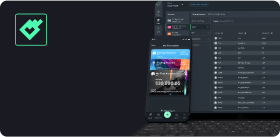







Proof of Working 2.12 recognizes a secure smart contract release workspace that brings more reliability and operational discipline to Neo developer workflows.
COZ primarily operates through the community Discord and COZ GitHub, central places where contributors share progress, collaborate in public, and turn ideas into working ecosystem tools.
There is no formal process for joining COZ. Interested contributors have to do the work first, and submitted code must be licensed under the Apache 2.x License. Consistent contributors can become eligible to join the COZ organization and collaborate more directly across projects.
Organizational decision making is made collaboratively by the COZ Council, a multi-disciplinary body of platform and functional leads, and communicated by an appointed member holding the Speaker role.
COZ is not a regulatory body and takes no responsibility for the quality of third-party smart contracts deployed on affiliate platforms.
COZ staff members are excluded from weekly rewards.
This week, we are awarding 154 NEO for the following ecosystem contribution:
Award Proof: Transaction
Proof of Working 2.12 recognizes work on the operational layer of smart contract delivery: the artifacts, deployments, event handling, and release controls that teams depend on once a contract moves beyond a local build.
The contribution focuses on making that workflow more cohesive and more defensive. Rather than treating release management as a collection of disconnected steps, it connects project artifacts, deployment activity, contract interaction, and webhook automation in one developer environment.
- Pusharoo — Secure Smart Contract Release Workspace (Vault Keeper):
Pusharoo brings contract artifacts, deployment records, interaction tools, and event automation into a single workspace. This round unifies the release workflow across artifact handling, deployments, a contract console, and webhooks; adds wallet-signed webhook administration and encrypted webhook secrets; and strengthens artifact and manifest validation.
It also adds defenses around webhook delivery, including SSRF and DNS-rebinding protections plus replay and idempotency checks, while improving production configuration, network-aware contract tooling, and dedicated TestNet/MainNet release workflows.
This matters because contract release workflows often break down across separate tools and manual handoffs. Bringing those steps together while making webhook, artifact, and release controls more deliberate gives teams a clearer way to manage the operational risks around a contract release.
For builders, that means more attention to the parts of a release process that are easy to overlook until something goes wrong: validating what is being deployed, handling secrets and callbacks carefully, avoiding duplicate requests, and keeping network-specific release work explicit.
At a higher level, this round strengthens the release discipline around Neo smart contracts. It recognizes that production readiness is not only about whether a contract compiles or deploys, but also about how teams manage the artifacts, records, event flows, and operational controls around that release.
Pusharoo’s work gives developers a more consolidated place to review those moving parts. That does not remove the need for careful engineering or independent security review, but it can reduce fragmentation and make the release workflow easier to inspect and operate.
If you want to understand the broader purpose of the initiative, read Proof of Working Is Back. You can also review previous rounds in Proof of Working 2.0, Proof of Working 2.1, Proof of Working 2.2, Proof of Working 2.3, Proof of Working 2.4, Proof of Working 2.5, Proof of Working 2.6, Proof of Working 2.7, Proof of Working 2.8, Proof of Working 2.9, Proof of Working 2.10, and Proof of Working 2.11.
If you are building useful Neo ecosystem tooling, improving documentation, maintaining SDKs, or helping make applications easier to use, bring the work into the open and share it with the community. Proof of Working exists to recognize public contributions that make the ecosystem stronger.